
This caught my attention because the “social commerce is the future” line finally has receipts—and a pecking order. After watching creators stack TikTok Shop, Instagram Shopping, YouTube, and a handful of niche tools, a pattern is clear: platforms that remove checkout friction win impulse buys, while platforms that build trust win higher-ticket, repeat sales. Everything else lives or dies by fees, feature whiplash, and audience control.
Social Commerce Growth and Creator Monetization: the Real 2025 Hierarchy
Key takeaways
- TikTok Shop is the impulse engine: native checkout + discovery = conversion. Watch rising fees (5–10% commission range) and U.S. policy risk[1].
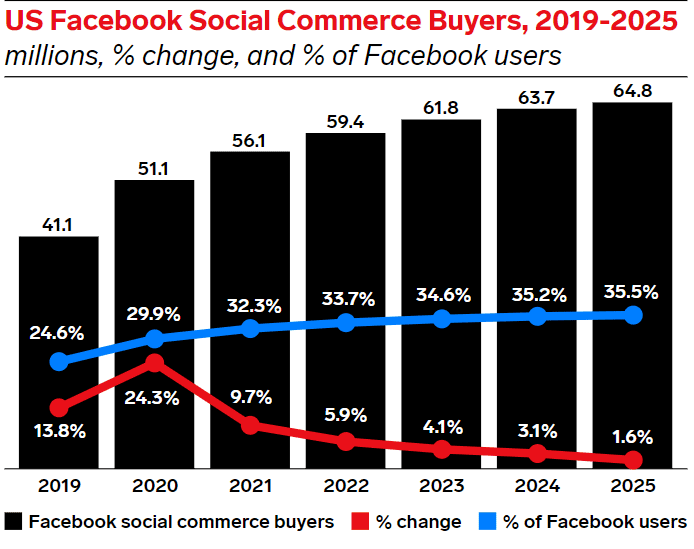
- Meta’s ecosystem drives scale, yet feature whiplash makes Instagram/Facebook better for brand collabs than dependable in-app sales.
- YouTube Shopping converts considered purchases. Fewer impulse checkouts, more “I trust this creator” buys—AOV up 22% with Shopify integration[2].
- Own your funnel: Pinterest, LTK/ShopMy, Linkpop, and Taggshop quietly boost conversion and reduce algorithm dependency.
{{INFO_TABLE_START}}
Publisher|Creator Economy Observer
Release Date|2024-07-15
Category|Social Commerce
Platform|Web
{{INFO_TABLE_END}}
Main analysis: friction, trust, and platform whiplash
TikTok Shop tops the list by marrying discovery with checkout in one dopamine loop: short video, tap-to-buy, done. That’s rocket fuel for low- to mid-ticket items in beauty, gadgets, and home hacks. The catch: commission jumped from 2.5% to 5–10% in the past two years, and U.S. policy pressure adds non-trivial risk. Build on TikTok? Yes. Build only on TikTok? That’s a house on sand.
Instagram Shopping & Facebook Shops still boast unmatched reach, especially for lifestyle and collabs. But Meta’s history of launching, “optimizing,” then sunsetting features means creators often chase moving targets. If you bank on impulse sales matching TikTok, temper expectations—Shops work best with an already-loyal audience.
YouTube Shopping is the opposite of impulse. It’s where creators demo, explain, and convince. With Shopify product shelves, cart drop-off rates fall and average order value climbs—tech and fitness channels see 22% higher AOV[2]. Play the long game and YouTube’s trust dividend compounds.
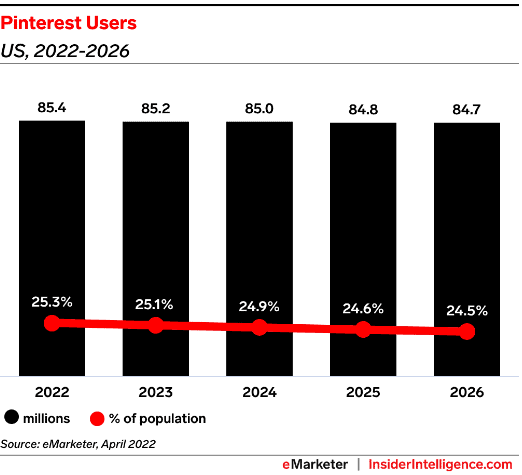
Pinterest Shopping is the unsung workhorse. Users come with intent—weddings, home refreshes, wardrobes—and that translates into evergreen sales. AR try-ons and visual search sharpen conversion more than flashy livestreams ever could.
Snapchat AR commerce shines for beauty and fashion try-ons, but without tighter checkout and durable creator programs, it’s an experiment lane—great for bursts, not a foundation.
LTK & ShopMy act as monetization layers, not social networks. Affiliate rails, creator storefronts, and analytics cut out algorithm roulette. Affiliate margins vary (5–20%), and your payouts hinge on brand terms, but curation-driven earnings can be surprisingly steady.
Grip live shopping can accelerate conversions if you already host engaged streams. In Western markets it hasn’t hit the velocity of Korea/China—treat it as a converter, not an audience builder.
Taggshop & Linkpop aren’t glamorous, but they’re the plumbing that turns posts into shoppable experiences while routing sales back to your store. Start owning your data and reduce attribution chaos.
Xiaohongshu (Little Red Book) is a lifestyle-shopping juggernaut in China. If you can handle cross-border compliance, it’s powerful; otherwise breaking in is more fantasy than strategy.
Platform quick hits
- TikTok Shop: Best for speed-to-sale; monitor fees and policy risk.
- Instagram/Facebook Shops: Massive reach; strong for collabs; expect feature churn.
- YouTube Shopping: Trust engine for higher AOV, especially with Shopify.
- Pinterest Shopping: Evergreen intent and steady conversion.
- Snapchat: AR try-ons shine; commerce rails maturing.
- LTK & ShopMy: Affiliate storefronts that reward curation over virality.
- Grip: Live selling that amplifies engaged audiences.
- Taggshop & Linkpop: Infrastructure to own checkout and data.
- Xiaohongshu: Major if you can operate in/for China; high barrier to entry.
What this means for creators
- Run a two-lane stack: TikTok for discovery and impulse, YouTube for depth and durable sales. For example, creator Maya saw a 30% lift in impulse buys on TikTok Shop and a 40% higher average order value on YouTube Shopping, proving the model in action.
- Own your checkout: Pair Shopify with Linkpop/Taggshop so platform tweaks don’t wipe out revenue.
- Layer affiliate storefronts (LTK/ShopMy) for always-on earnings—especially in fashion, beauty, and home.
- Test, don’t bet the farm: Try Grip livestreams and Snap AR where your audience already engages; keep ad spend disciplined.
- Track true ROI: Monitor take rates, payout reliability, and return rates, not just views. Reforecast immediately when fees change.
TL;DR
TikTok Shop wins impulse buys, YouTube wins trusted buys, Meta still scales—but with whiplash. Pinterest quietly prints evergreen revenue. LTK/ShopMy, Linkpop, and Taggshop are your monetization glue. Diversify your stack, control your checkout, and treat every platform feature as rented until it proves it pays.
[1] TikTok Business, 2024; [2] Shopify Commerce Report, 2023