
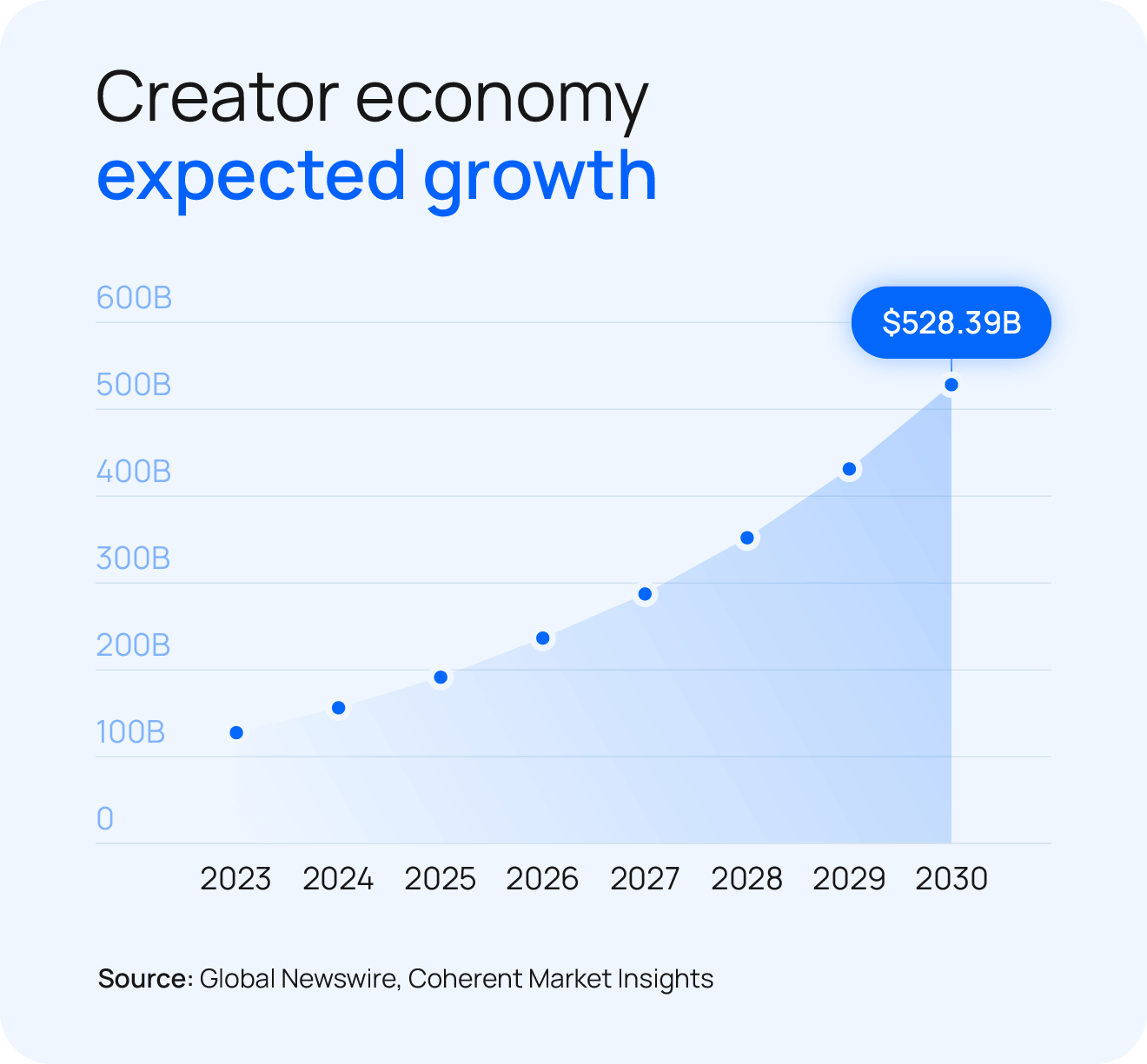
This caught my attention because the gap between flashy platform features and actual creator take-home pay is widening. We keep hearing “100B industry” and “50M creators” – both directionally true, but fuzzy – while most full-time creators I talk to are stitching together YouTube RPMs, TikTok Shop commissions, brand work, memberships, and digital products just to smooth out the volatility. Let’s cut through the slogans and focus on what’s really working in 2025.
The Content Creator Economy 2025 – platform innovation vs monetization reality
Key takeaways
- YouTube remains the most reliable base income for long-form; TikTok drives outsized discovery and commerce — different jobs, different payoffs.
- Diversification isn’t optional: ad share + brand deals + memberships + digital products = resilience when algorithms wobble.
- AI speeds production (editing, captions, assets), but distribution and trust still beat tooling. Your edge is voice and consistency.
- Brand/UGC platforms are useful but read the fine print on licensing, whitelisting, and payout terms before you hit upload.
- Instagram Reels is a real factor in 2025, but its monetization story is muddier than either YouTube or TikTok — treat it as a distribution channel, not a revenue pillar.
{{INFO_TABLE_START}}
Publisher|{publisher}
Release Date|{release_date}
Category|{category}
Platform|{platform}
{{INFO_TABLE_END}}
YouTube vs TikTok: two different paychecks
A 660‑creator survey pegs TikTok as the favorite for 28% of creators and YouTube for 23%, with 26% saying they make the most on TikTok. That largely matches what I hear: YouTube is the “rent” — long-form videos compound via search and the Partner Program, and RPMs are more predictable over time. TikTok is the spark — FYP can mint reach overnight, but the meaningful money often flows through TikTok Shop, affiliate links, and brand deals rather than per‑view payouts. TikTok’s Creator Rewards for 1+ minute videos helps, but it’s volatile across niches. On YouTube, Shorts revenue share is improving, yet still best treated as top‑of‑funnel to pump long‑form and off‑platform products.
It’s worth digging into the discovery mechanics behind each platform, because they shape how money flows. YouTube’s algorithm rewards watch time and session duration — a 15-minute video that keeps 55% of viewers watching will compound through suggested videos and search for months, sometimes years. That long tail is YouTube’s real advantage. A well-optimized tutorial or product review can generate AdSense income 18 months after upload with zero additional effort.
TikTok’s FYP, by contrast, is a relevance engine tuned for novelty. A video either catches within the first 48 hours or it doesn’t. The upside is explosive — a single clip can reach 2M views from a 5K-follower account. The downside is that the content is largely ephemeral. Nobody is searching TikTok for “best camera for YouTube 2025” the way they search YouTube. That ephemeral quality means TikTok creators need to post more frequently just to stay visible, which has real production cost implications.
YouTube Shorts vs. TikTok is a different comparison still. Shorts now shares ad revenue with creators (45% of ad revenue allocated to the Shorts pool), but the per-view rates remain significantly lower than long-form. The main case for Shorts is funneling viewers to your channel — creators who pin a relevant long-form video and use Shorts as trailers see meaningful subscriber lifts. TikTok’s advantage over Shorts is still its recommendation engine; Shorts surfaces content to existing subscribers more than new audiences, while TikTok’s FYP doesn’t care whether someone follows you or not.
YouTube RPM vs TikTok RPM: real numbers
The most common question I get is some version of “what does each platform actually pay?” The honest answer: it depends on your niche, your audience geography, and the time of year. But we can frame reasonable ranges.
YouTube long-form RPM — the revenue per thousand views after YouTube’s cut — typically lands between $3 and $12 for most creators in the US/UK/Canada. Finance and insurance channels sit at the high end ($8–$15+) because advertiser bids are aggressive. Gaming tends toward the lower range ($2–$5), though it’s volume-dependent and improves with longer watch times. Education and tech fall somewhere in the middle ($5–$10). Beauty and lifestyle vary wildly — $3–$8 depending on audience demographics and brand deal overlap.
YouTube Shorts RPM is a different story. Creators consistently report $0.01 to $0.07 per thousand views. A Short that gets 1 million views might earn $10–$70. That’s not rent money — it’s a rounding error compared to what a 1M-view long-form video would generate. The value of Shorts is distribution, not direct revenue.
TikTok’s Creator Rewards Program (the revamped version of the old Creator Fund) pays better than the original fund, but it’s still modest. Creators making videos over 1 minute with original content report $0.20–$1.00 per 1,000 qualified views, with significant niche variation. Finance and education lean higher; comedy and entertainment lean lower. The key word is “qualified” — not every view counts toward payout, which makes the effective rate feel lower than advertised.
TikTok Shop commissions add a separate layer. Creators earn anywhere from 5% to 20% commission on products sold through in-video links or live shopping, depending on the product category and any negotiated rates. For creators pushing high-ticket items (skincare sets, tech accessories, fitness equipment), this can dwarf ad-based revenue entirely.
One thing to watch: Q4 RPMs. Every year, October through December sees RPM spikes across YouTube (and to a lesser extent TikTok) as advertisers flood the market for holiday spending. Some YouTube creators see RPMs jump 30–60% in Q4 versus Q1. Smart creators time their highest-effort content — flagship series, big collabs, tentpole uploads — for this window. If you’re only going to push hard one quarter a year, make it Q4.
RPM comparison by niche
| Niche | YouTube Long-Form RPM | YouTube Shorts RPM | TikTok Creator Rewards (per 1K) |
|---|---|---|---|
| Finance / Insurance | $8 – $15+ | $0.03 – $0.07 | $0.50 – $1.00 |
| Tech / Software | $5 – $10 | $0.02 – $0.05 | $0.30 – $0.80 |
| Education | $5 – $9 | $0.02 – $0.05 | $0.40 – $0.90 |
| Beauty / Lifestyle | $3 – $8 | $0.01 – $0.04 | $0.20 – $0.60 |
| Gaming | $2 – $5 | $0.01 – $0.03 | $0.15 – $0.50 |
| Comedy / Entertainment | $2 – $4 | $0.01 – $0.03 | $0.10 – $0.40 |
Ranges reflect US/UK/CA audiences. International traffic typically lowers RPMs by 30–60%. All figures are net (after platform cut).
Instagram Reels: the third player
It’s hard to talk about the creator economy in 2025 without addressing Reels. Instagram had a brief window in 2022–2023 where Reels bonuses were genuinely attractive — some creators reported four- and five-figure monthly payouts just from bonus programs. That era is largely over. Meta has been winding down Reels-specific bonuses, shifting its creator incentive strategy toward shopping integration and branded content tools instead.
What Reels does well in 2025 is reach existing followers and adjacent audiences within the Instagram ecosystem. Unlike TikTok, where the FYP ignores your follower graph, Reels surfaces content primarily to people who already follow you or follow accounts similar to yours. That makes it strong for engagement and community building, weaker for raw discovery compared to TikTok.
The monetization path on Reels is indirect. There’s no RPM equivalent worth tracking — the direct payouts from Instagram’s remaining programs are inconsistent and most creators I’ve spoken with treat them as a bonus, not a line item. The real value of Reels is keeping your Instagram audience active and warm so they convert on other offers: brand deals negotiated off-platform, product launches, affiliate links in Stories and bio, and DM-based sales funnels.
For multi-platform strategy, Reels fits best as a repurposing outlet. If you’re already making TikToks or YouTube Shorts, cross-posting to Reels with minor formatting tweaks takes minimal effort and keeps your Instagram presence alive. Just don’t build your revenue model around it. Instagram in 2025 is a relationship maintenance tool, not a monetization engine.
Platform payout comparison
| Platform | Revenue Model | Typical RPM / CPM | Payout Frequency | Min. Threshold | Best For |
|---|---|---|---|---|---|
| YouTube (long-form) | Ad revenue share (55%) | $3 – $12 RPM | Monthly (21st–26th) | $100 | Stable base income, evergreen content |
| YouTube Shorts | Ad revenue share (45% of pool) | $0.01 – $0.07 RPM | Monthly | $100 | Discovery funnel to long-form |
| TikTok Creator Rewards | Per-view pool (1min+ original) | $0.20 – $1.00 per 1K | Monthly (around 15th) | $50 | Viral reach, younger audiences |
| TikTok Shop | Affiliate commission | 5% – 20% per sale | Bi-weekly | $10 | Product-driven creators, live sellers |
| Instagram Reels | Bonuses (winding down) + indirect | Inconsistent / negligible | Monthly | $25 (bonuses) | Audience nurturing, brand deals |
| Patreon | Memberships (5–12% fee) | N/A — recurring subs | Monthly (1st–5th) | $0 (no minimum) | Recurring support from loyal fans |
| Substack | Paid newsletters (10% fee) | N/A — subscriber-driven | Monthly | $10 | Writers, niche expertise |
Fees and thresholds current as of early 2025. Platforms adjust terms frequently — verify before committing.
Specialized platforms: where they actually fit
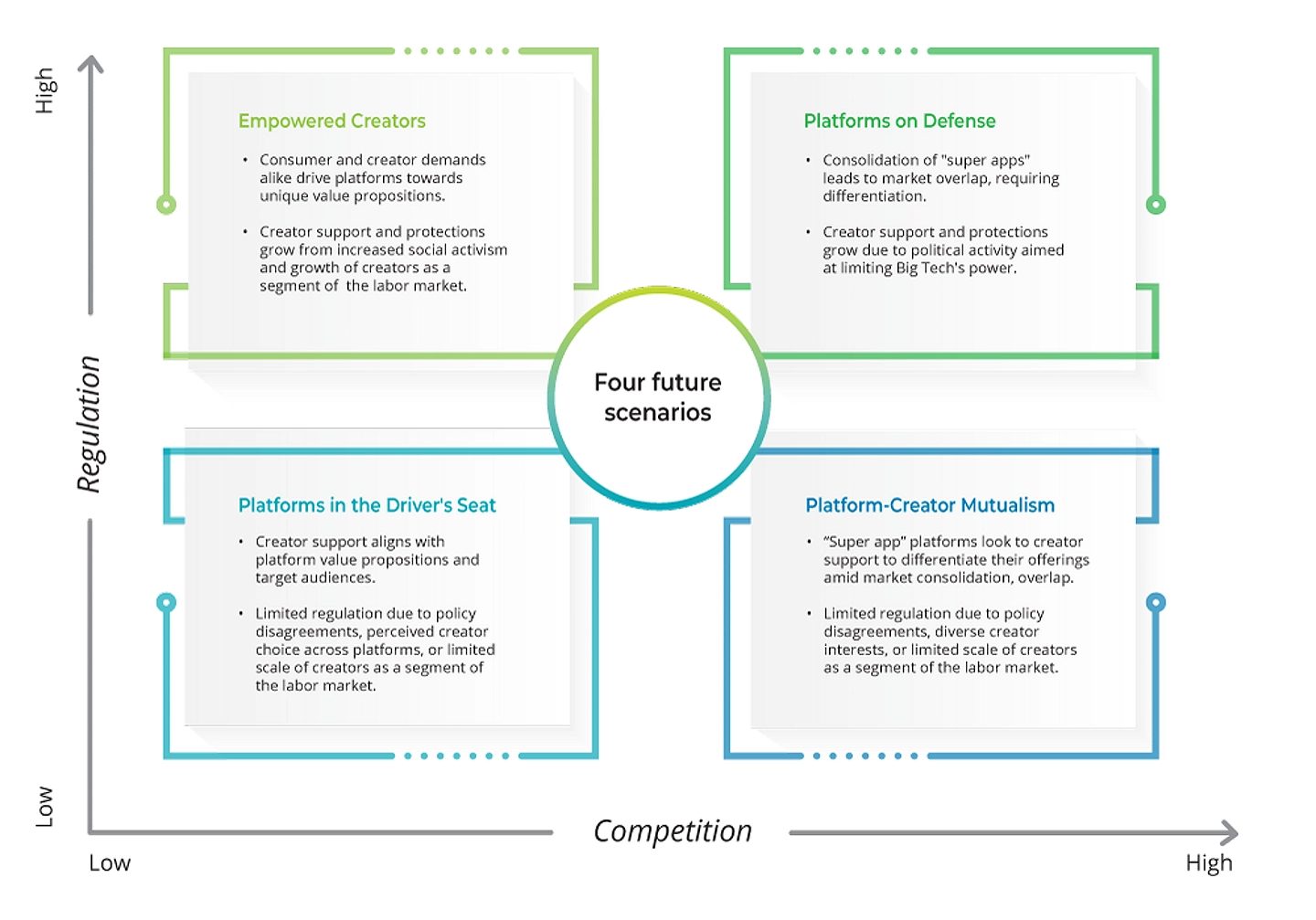
Writers who want recurring revenue still gravitate to Substack (subscriptions + email ownership) and Medium (built‑in readership with Partner Program). For audio, Spotify/Anchor handle distribution, while Patreon remains a reliable membership layer for podcasters and creators who can deliver consistent perks. Digital product sellers like Gumroad and Ko‑fi keep winning because they’re low‑friction storefronts — no dev lift, built‑in payments, basic analytics. If your business is more course/coaching heavy, Kajabi’s all‑in‑one stack is overkill for hobbyists but a time‑saver at scale. Community‑first creators are having real success on Mighty Networks and Fanhouse (90/10 split) where engagement is the product, not just the content feed.
Social commerce: powerful, but mind the margins
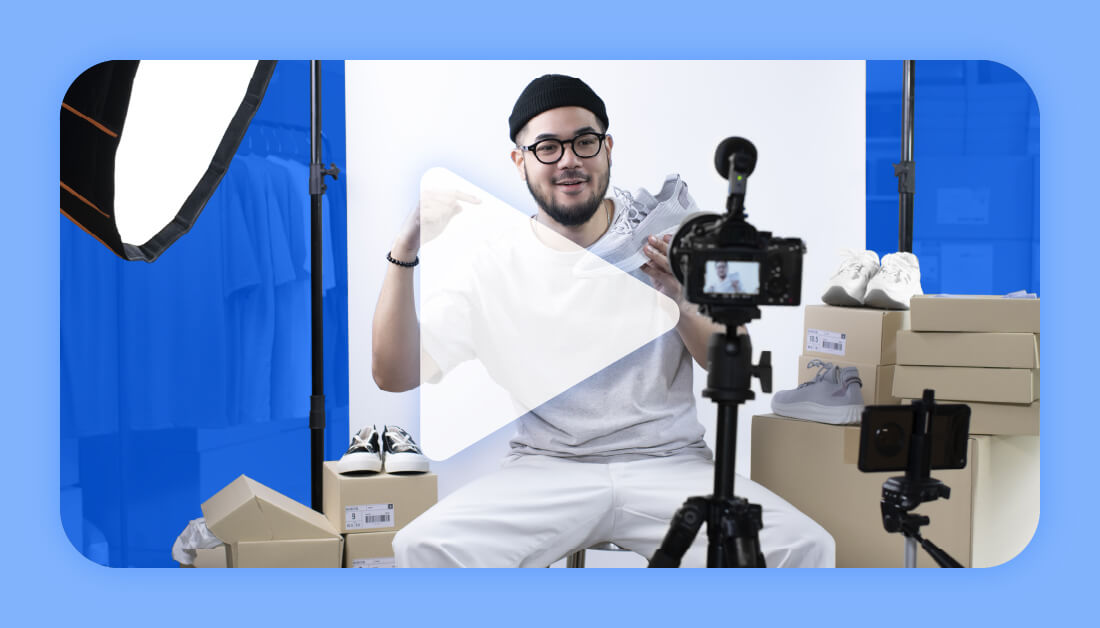
In‑app shopping (TikTok Shop is the poster child) is the biggest shift since Stories. Conversions can pop because there’s almost zero friction between “watch” and “buy.” The flip side: returns, customer support, and razor‑thin margins can eat creators alive. If you’re pushing low‑ticket, commoditized goods, expect a race to the bottom. What’s working: creators selling their own evergreen products (templates, presets, mini‑courses) or tightly aligned bundles where trust is the differentiator. Start with affiliate tests, watch your COGS and return rates, and don’t let commerce overrun your editorial voice.
AI tools help — distribution still wins
CapCut’s AI captions, clean cuts, and template engines are now standard kit; they slash edit time. Meta’s AI Studio opens the door to “assistants” that interact with fans. Useful? Yes — as a multiplier. Dangerous? Also yes — if you outsource your personality. Use AI for drafts, trims, transcripts, and alt formats; keep the human for ideation, narrative, and community interactions. The moat isn’t tooling — it’s trust, taste, and the cadence you can sustain.
The business stack that actually saves time
Running a creator business is ops work. Tools like Passionfroot are finally treating it that way — pipeline tracking, invoicing, and deliverables in one place so you’re not juggling DMs and spreadsheets. For brand work, platforms like CreatorIQ, #paid, and Billo can fill the calendar, but watch usage rights: many UGC briefs demand full licensing and whitelisting, which should cost more. If the brand can run your face as paid ads, price it like an ad buy, not a one‑off post. On the community side, Fanhouse and Patreon continue to shine for recurring support; Mighty Networks is great when curriculum and community live together. I run a small newsletter and sell templates — owning the email list and a simple Gumroad store has been the most defensible combo I’ve found.
Which platform should you focus on?
There’s no universal answer, but there is a framework. Your platform priority should follow from four things: your niche, your audience demographics, your preferred content format, and your monetization goals. Here’s how to think through each.
Niche matters more than you think. If you’re in finance, B2B, or education — topics where people actively search for answers — YouTube is almost certainly your anchor. Search intent drives long-tail traffic, and the RPMs in these verticals make the effort worthwhile. If you’re in fashion, food, comedy, or lifestyle — categories driven by trend cycles and visual discovery — TikTok gives you disproportionate reach per unit of effort.
Audience demographics shape your options. If your core audience is 18–24, TikTok is where they already live. If it’s 25–45, YouTube and Instagram both work. If it skews 35+, YouTube long-form and email newsletters will outperform short-form platforms. This isn’t about preference — it’s about meeting people where they already scroll.
Content format preference determines sustainability. Some creators are natural long-form thinkers — they want to go deep on topics for 10–20 minutes. That’s YouTube. Others thrive in 60-second bursts with fast cuts and high energy. That’s TikTok. Forcing yourself into a format that doesn’t match your creative instincts leads to burnout, and burnout kills creator businesses faster than bad algorithms.
Monetization goals set the order of operations. If you need revenue now, start where the money is most direct — YouTube AdSense for ad revenue, TikTok Shop if you have products to sell. If you’re playing a longer game and building toward courses, memberships, or premium products, invest in YouTube for search visibility and an email list for conversion. Don’t try to be everywhere on day one. Pick one anchor, one discovery channel, and one owned platform (email or community). Expand from there only when the first three are working.
What this means for creators
- Pick an anchor and a spark: anchor on YouTube long‑form or memberships for baseline revenue; use TikTok/Shorts for discovery.
- Own your audience: push viewers to email (Substack or similar) and a community space you control.
- Monetize in layers: ad share + brand deals + memberships + digital products; treat TikTok Shop/affiliate as tests and protect margins.
- Read the contracts: charge extra for whitelisting/paid usage; avoid handing over unlimited rights by default.
- Use AI as a force multiplier: edits, captions, repurposes — but keep your voice human and your promise to the audience clear.
- Time your big swings for Q4: if you have a flagship video, course launch, or premium product drop planned, October through December is when RPMs peak and audiences spend. Plan your production calendar around it.
- Track your effective hourly rate by platform: divide your monthly earnings from each platform by the hours you spent creating for it. Most creators I’ve talked to are surprised — the platform that feels most productive often isn’t the one paying the best per hour. Let the numbers, not the vibes, guide where you double down.
- Set a revenue floor before expanding: don’t add a new platform until your primary one consistently generates at least $500–$1,000/month. Spreading thin across five platforms that each earn $100 is worse than going deep on one that earns $800. Depth beats breadth until you have the team or systems to scale horizontally.
TL;DR
YouTube still pays the rent; TikTok sells the merch. The smartest 2025 play is diversified and defensible: long‑form for stability, social commerce with margin discipline, memberships for recurring support, and digital products you fully own — all wrapped in a workflow that treats your creator business like, well, a business.