
This caught my attention because GRIN sits at the crossroads of creators and brands-they see the money flows up close. Their “Understanding the Creator Economy” guide reads like a state-of-the-union for 2025, but the value here isn’t the long list of platforms. It’s what the list reveals about where real income is consolidating and where the hype curve has crested.
Understanding the Creator Economy (GRIN): 2025’s map, with the fine print creators should read
Key takeaways
- The guide nails the current stack: short-form for discovery, YouTube for depth, and owned audience for resilience. That triangle still wins in 2025.
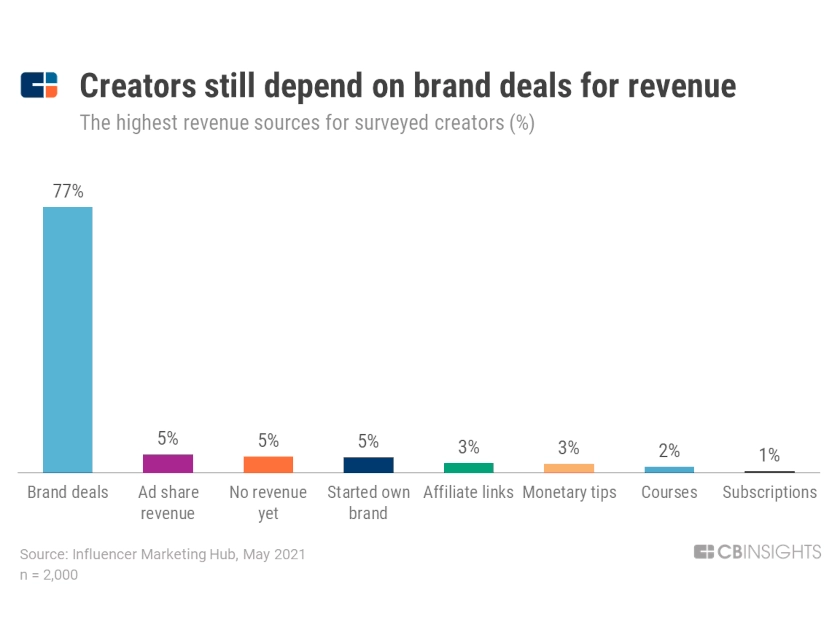
- Brand deals remain the biggest paycheck for most creators-platform payouts are baseline, not the business.
- Some numbers (like old TikTok fund CPMs) are dated; the new payout realities are more variable and push longer videos.
- UGC “creator work” networks are growing, but they’re closer to freelance production than audience-building-watch usage rights.
{{INFO_TABLE_START}}
Publisher|GRIN
Release Date|2025
Category|Industry guide
Platform|Web
{{INFO_TABLE_END}}
What GRIN gets right
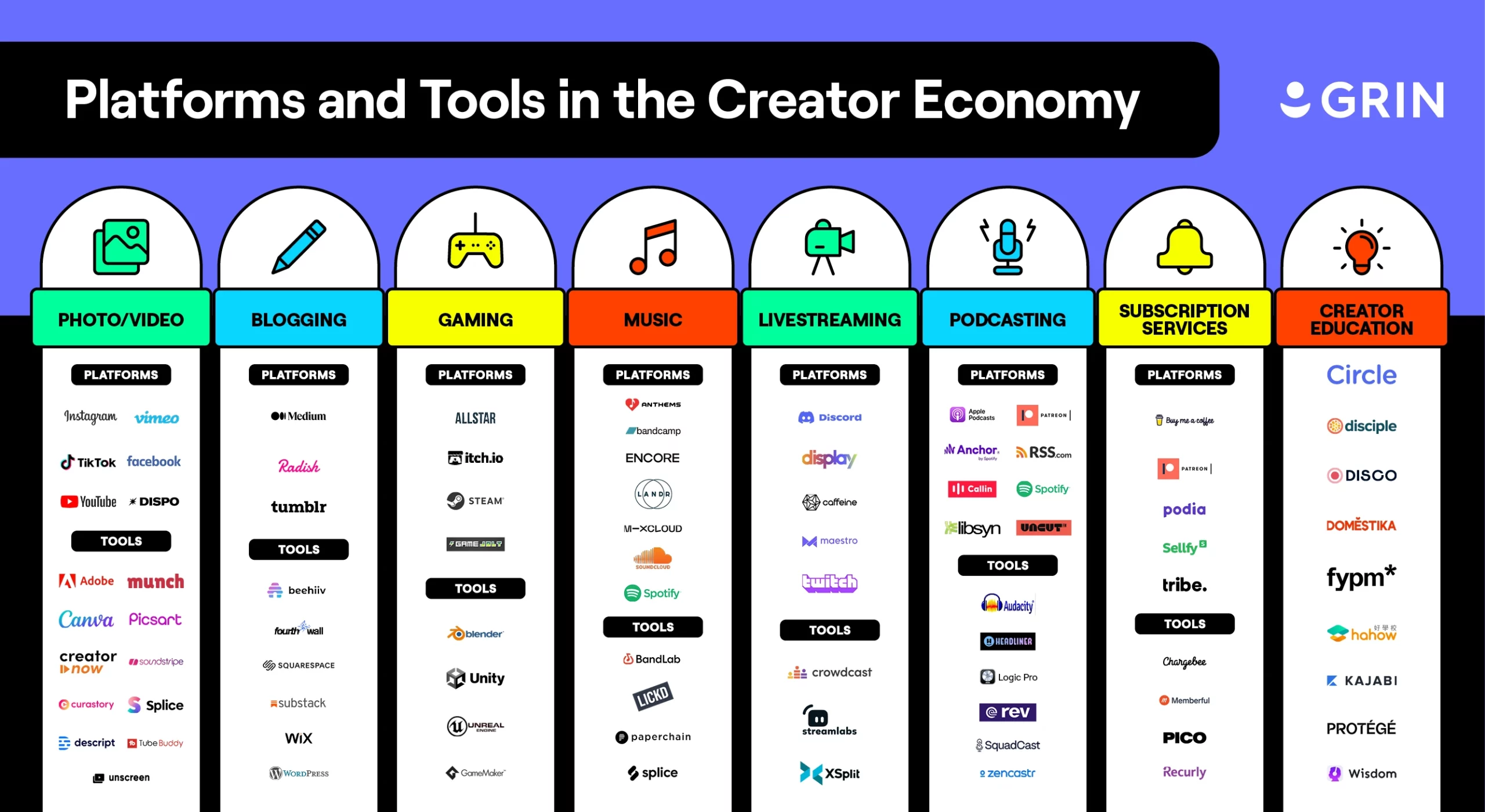
The platform taxonomy is solid. TikTok and Reels are still the quickest way to introduce yourself to the internet; YouTube remains the credibility engine (and the most stable ad-rev machine); newsletters and communities are the antidote to algorithm mood swings. If you’re a video-forward creator, discovery on Shorts/Reels/TikTok feeding long-form YouTube and an owned email list is the play. That hasn’t changed—what’s changed is the pressure to package your business around that funnel: courses (Kajabi), digital products (Gumroad), and memberships (Patreon/Ko-fi, or community-first via Mighty Networks).
I also appreciate the nod to back-office realities—Passionfroot, Karat, and campaign platforms like CreatorIQ. The unsexy truth of 2025 is that your admin stack (briefs, invoicing, rights, analytics) determines whether your content stacks into a business or a burnout diary.
Where the guide leans marketer-first
GRIN’s DNA is brand partnerships, so the lens tilts that way. That’s fine—brand money pays bills—but creators should clock two caveats:
- UGC marketplaces (Billo, 90 Seconds, MOFILM, etc.) are great on-ramps but operate like freelance production. Rates can be fixed, usage is often broad, and audience growth is optional. If you’re building a personal media brand, treat this as cash flow, not your core strategy.
- “Active creator” counts (207M) hide the power-law reality. Most creators are part-time; a thin slice earns full-time. Plan like a small business, not a lottery ticket.
Numbers that need nuance
The cited TikTok payouts of a few cents per thousand views reflect the old Creator Fund era. TikTok shifted to the Creativity/Rewards program, which prioritizes longer videos and yields far more variable payouts. The short version: don’t price your business off a flat “per 1,000 views” metric—your niche, watch time, region, and format matter. On YouTube, long-form RPMs still beat short-form; Shorts revenue sharing exists but remains supplementary for most categories. Instagram? Reels bonuses come and go. Treat any platform-native payout as a baseline, not the model.
Another missing wrinkle: platform and processing fees stack. Whether it’s memberships, marketplaces, or payment rails, your take-home is always less than sticker. Build your pricing and goals around net, not gross.
The 2025 platform reality check
Discovery is saturated and fickle; search and community are steady. That’s why YouTube long-form paired with SEO-savvy titles, chapters, and topical depth feels more durable than chasing today’s audio meme on TikTok. At the same time, social commerce is real: TikTok Shop and native IG shopping can outperform affiliate links when content and checkout live in the same scroll. But remember: stores change rules overnight. If your income depends on one platform’s knob-turn, you’re exposed.
Policy risk is also not theoretical. TikTok’s regulatory uncertainty in the U.S. has pushed many creators to diversify. Newsletters (Substack or your own stack), private communities, and first-party customer data give you leverage no algorithm can revoke.
What this means for creators (the operator’s checklist)
- Run the “triangle”: short-form for reach, YouTube for trust and search, email/community for ownership.
- Anchor revenue in brand deals + one owned product (course, template, or membership). Platform payouts are your floor, not your ceiling.
- If you do UGC gigs, negotiate usage windows and whitelisting terms. Protect your face and your feed.
- Track your pipeline like a business: CRM, rate card, invoicing, and post-campaign reporting. This is where repeat deals live.
- Diversify across two discovery channels max; go deeper, not wider. Consistency beats platform sprawl.
TL;DR
GRIN’s guide is a useful 2025 map, especially for understanding how brand partnerships fit alongside memberships, digital products, and communities. Just don’t mistake a platform list for a business plan. The creators winning this year are building owned audience moats, treating brand deals like partnerships (not one-offs), and using marketplaces tactically—not as their identity. Keep your funnel tight, your rights protected, and your revenue diversified.