
This caught my attention because it finally matches what creators have been whispering all year: brands don’t just want vibes anymore, they want receipts. The headline claim – $10B shifting from classic influencer spend to creator commerce in 2025 – lines up with what I’m seeing in briefs and budget docs. Translation: the money is following transaction data, not just impressions.
Brands Shift $10B to Creator Commerce in 2025 – the budget migration that matters
- Budgets are moving from awareness posts to trackable storefronts, bundles, and memberships. If you don’t own checkout and email, you’re leaving money (and leverage) on the table.
- Kajabi and Shopify lead for owned-store plays; Patreon, Substack, and Gumroad are racing to bolt on “shops” to community models. Expect tighter affiliate/attribution tooling across the board.
- Ignore “no platform fees” slogans — payment processing and/or platform take rates still apply on most of these. Total cost of ownership > headline fees.
- 2025’s real battleground is first-party data and SKU-level attribution. Platforms that combine storefront + CRM + brand deal tracking will pull in the lion’s share of that $10B.
{{INFO_TABLE_START}}
Publisher|Base.tube
Release Date|2025-11-21
Category|Industry analysis — Creator Commerce
Platform|Web
{{INFO_TABLE_END}}
The pitch is straightforward: instead of paying creators for posts and praying for halo effect, brands want to fund actual commerce engines creators control — courses, memberships, digital goods, and yes, physical products. That’s why this list of 15 “creator commerce” platforms matters. It maps to where the dollars (and data) are going.
Why the money is moving now
Three forces converged: social commerce leveled up (TikTok Shop, Instagram/YouTube Shopping), cookies and mobile tracking continued to erode easy ad attribution, and creators matured from “influence” to “operators.” CMOs want SKU-level clarity, and CFOs want repeatable CAC/LTV math. A creator-owned storefront with clean attribution beats a one-off spon-post nine times out of ten.
Who’s positioned to win (and what’s marketing fluff)
Kajabi’s claim of $10B paid out over its lifetime is the signal: education and knowledge creators have proven they can sell high-margin products without a marketplace tax. Shopify’s “creator” push is the physical-and-digital backbone with social shop sync and an ecosystem brands already trust. Patreon, Substack, and Gumroad are sprinting to close the gap by bundling community, shops, and analytics into one conversion-focused flow. Teachable, Podia, Mighty Networks, ConvertKit, Circle, and Thinkific round out the stack for courses, memberships, and email-led commerce.

Now the reality check. “No platform fees on direct sales” shows up a lot in marketing copy. In practice, you’ll still pay payment processing (Stripe/Shopify Payments/etc.), and many platforms take a cut or charge tiered subscriptions. Gumroad’s take rate, Substack’s 10% membership fee, Patreon’s creator plans, Shopify’s subscription and transaction considerations — these matter. Don’t optimize for a headline percent; optimize for total cost of ownership, deliverability, export rights, and how fast you can ship offers.
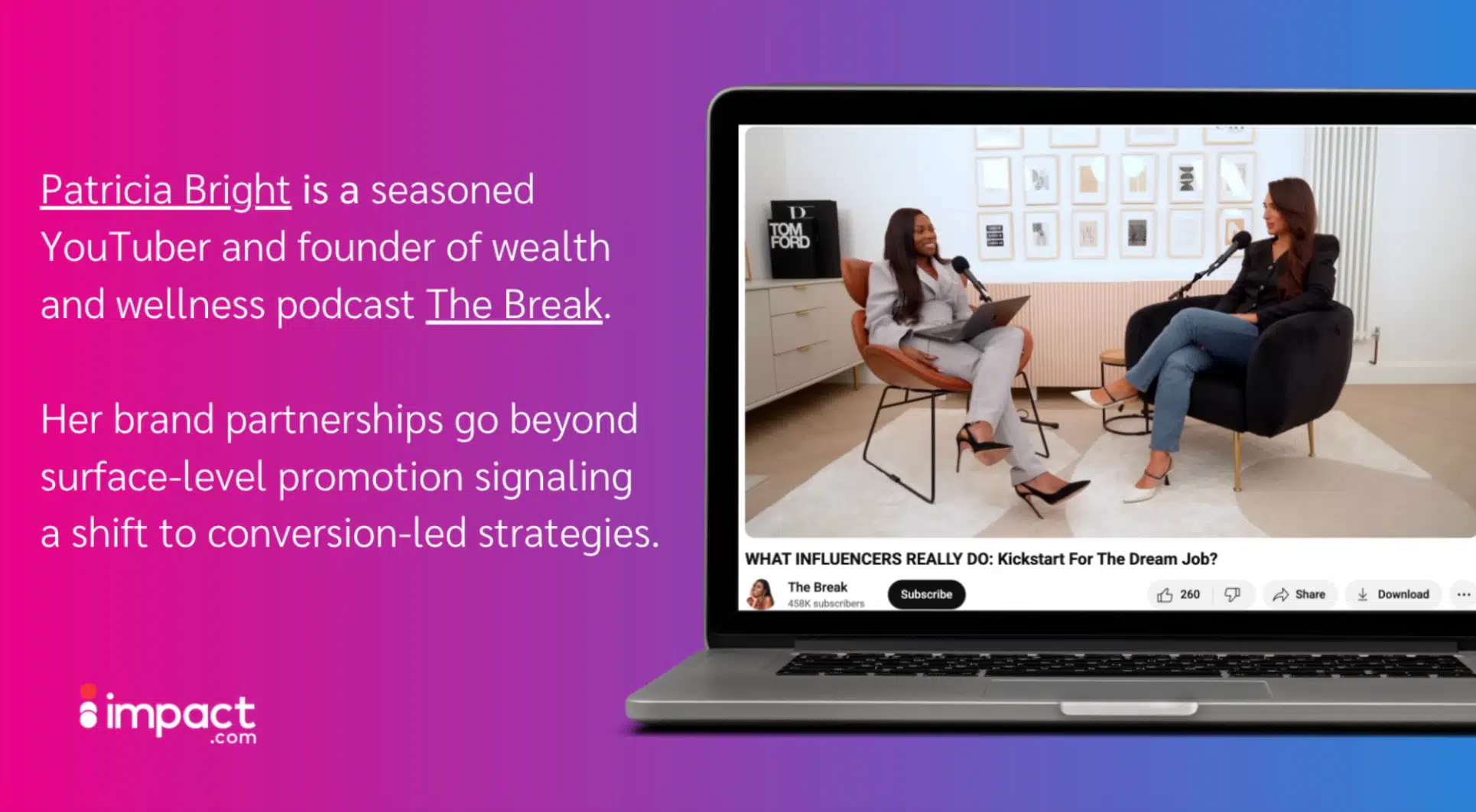
Also, missing from many “top platform” rundowns: affiliate-first networks (LTK, Impact), marketplace staples (Amazon Influencer), and merch specialists (Fourthwall, Spring). Brands will still spread spend across these, but the gravity is shifting toward creators who own checkout and customer data, not just affiliate links.
The 2025 playbook brands are actually funding
I’m seeing briefs that look like this: a creator bundles a flagship offer (course + community + coaching or a product line), builds a social-to-email funnel, then brings in a brand as a performance sponsor. The brand gets co-branded placements, first-party signal sharing, and revenue-share dashboards; the creator gets predictable cash plus long-tail revenue. Platforms are racing to formalize this with “Creator Dashboards,” affiliate tracking, and conversion analytics built in.
Expect more creators to negotiate category exclusives and co-develop SKUs with brands, especially on Shopify. On the digital side, Kajabi and Teachable’s bundled offers are the sweet spot for mid-tier creators who convert trust into higher-ticket sales. Patreon/Substack’s shops turn community into a storefront, which is gold for retention and ARPU. Gumroad remains the fastest path for a single digital product with minimal setup.
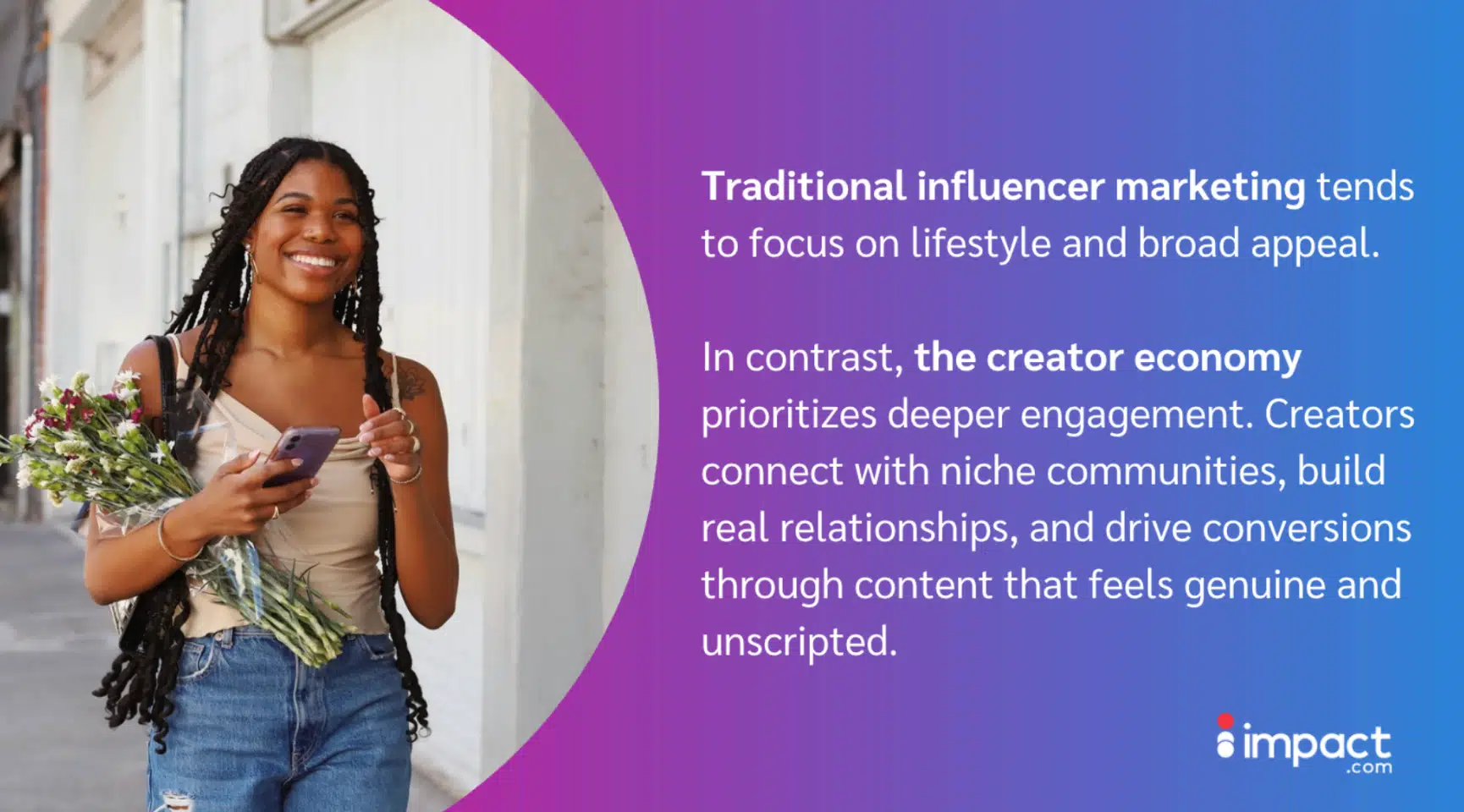
What this means for you
- Own your stack: pick one home base (Shopify or Kajabi are safest bets for scale), one community layer (Patreon, Substack, Circle, Mighty), and one email brain (ConvertKit or native Kajabi). Make sure you can export everything.
- Prioritize attribution: standardize UTMs, use platform affiliate tools, and offer brands a shared dashboard. If you can prove contribution margin by SKU, you’re first in line for budget.
- Ship an “anchor offer”: a bundle that mixes content, community, and utility. Don’t wait for a perfect catalog — ship, learn, iterate.
- Model your take rate: include subscriptions, payment fees, upsell tooling, and your time. The cheapest sticker price often limits growth where it counts (data, deliverability, extensibility).
One caution: social shops are great for discovery, but they’re still rented land. Use them as on-ramps to an owned list and checkout. The 2025 winners will treat TikTok/IG/YouTube as traffic partners, not their entire business.
TL;DR
That $10B shift isn’t about “influencers becoming retailers”; it’s brands finally paying for what converts. If you control checkout, attribution, and community, you’ll capture more of that spend. Kajabi and Shopify are the safest foundations; Patreon, Substack, and Gumroad are fast movers; everyone else is filling in the edges. Ignore the fee marketing — run the math, own your data, and build offers brands are excited to fund, not just posts they hope will work.