
How I Use Synthesia and PixVerse for 10x Faster Creator Content in 2026
Article type: Workflow guide.
After burning hundreds of hours editing in Premiere, the real breakthrough for me in 2026 was pairing Synthesia with PixVerse. My per-video production time went from 4–6 hours to roughly 30–45 minutes, while retention and thumbnails improved and I finally kept a daily posting habit without a studio or team. This isn’t theory — it’s the exact workflow I use for client work, my channels, and paid courses.
How much time and money to expect
Plan 15–30 minutes of initial setup, then 30–45 minutes per video. With both tools on starter plans you’ll stay under $50/month for the features most solo creators need. In my experience that cost pays for itself the first week because you simply publish so much more.
What you’ll be able to do
- Create avatar-led explainer videos without cameras, lights, or traditional editing software.
- Drop hyper-real PixVerse B-roll every 10–20 seconds so the video feels “shot” not generated.
- Localize into multiple languages with lip-synced dubs.
- Auto-publish to platforms and plug videos into courses or funnels.
- Scale from a few videos a week to dozens without hiring editors.
Quick prerequisites (15–30 minutes)
- Accounts: Sign up for Synthesia and PixVerse. Use free tiers to test; Starter/Pro unlocks unlimited 1080p exports, personal avatars, and longer clips.
- Gear: Any modern laptop, Chrome, and a USB or phone mic for a short voice sample.
- Workspace: One doc for scripts (Notion or Google Docs), and a simple brand kit—logo, two hex colors, one or two fonts.
Common early mistake: skipping a brand kit. Upload logo and lock fonts/colors on day one so your first 20 videos don’t look inconsistent.
Step 1 — Write a tight, multi-use script (5–10 minutes)
One tight script feeds both Synthesia and PixVerse. When the script is fuzzy, the output is too. I work scene-by-scene and mark B-roll spots inline.
- Decide length first: 60–180 seconds (~200–450 words) for shorts; 5–7 minutes (~600–900 words) for YouTube.
- Break into scenes: Hook/Intro, Key Point 1 [B-ROLL], Key Point 2 [B-ROLL], CTA. Use explicit markers like
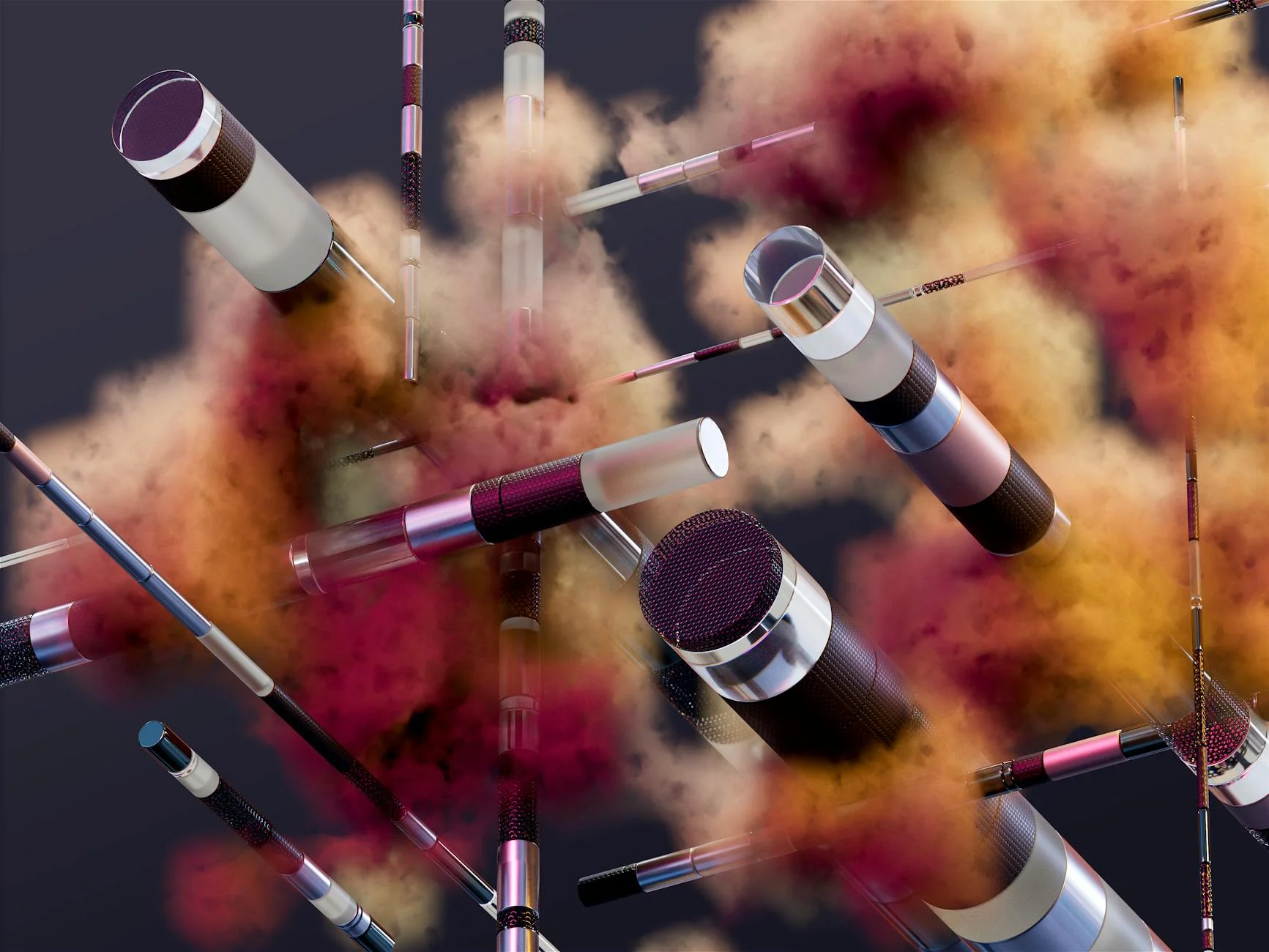
[B-ROLL: phone explode, 4s]. - Add tone and pace notes at the top: “Energetic, medium-fast, audience 18–45.” That helps avatar performance and voice cloning sound human.
Pro tip: paste a rough outline into Synthesia’s script assistant to get a fast first draft, then tighten it manually.
Step 2 — Create your avatar and voice (5–10 minutes)
I used stock presenters for months, then cloned my look and voice. Comments about “AI weirdness” dropped and watch time rose.
- Create a personal avatar in Synthesia with a clear selfie or short video. Add styling prompts: “casual hoodie, clean office, soft lighting.”
- Clone your voice with a 20–30 second sample in a quiet room — read as you normally speak, not an exaggerated “phone” voice.
- Lock your brand kit inside Synthesia: primary color, heading/body fonts, and logo placement.
Expect to iterate once and then reuse the avatar for months.
Step 3 — Build the core video in Synthesia (10–20 minutes)
Paste your script, let Synthesia split it into scenes, then tighten. The trick: keep the avatar on-screen for teaching moments and off-screen during examples so B-roll carries the visual interest.
- Choose a clean template or start blank. Paste the script and accept auto scene splits, then adjust timings.
- Add captions, on-screen text, and CTA cards. Use Synthesia’s Copilot suggestions for simple motion or visual elements.
- Render a 1080p draft and review at 1.25x speed. Regenerate any off lip-sync scenes.
Step 4 — Add high-impact B-roll with PixVerse (5–10 minutes)
Short, punchy PixVerse clips every 10–20 seconds changed my retention. Don’t ask for “generic stock.” Be specific.
- Turn your script markers into rich prompts: “Ultra-realistic phone screen exploding with notifications, neon reflections, 5s, smooth dolly.”
- Pick style and motion: “Realistic” for explainers, “Stylized” for entertainment. Add camera moves like “slow orbit” or “quick snap.”
- Import clips into Synthesia, replace placeholders, and nudge in/out points so visual hits line up with key words.
If you’re on PixVerse free tier, queue variations and pick the best; on Pro, use longer clips for YouTube edits.
Step 5 — Localize, format, and automate (5–15 minutes)
Growth came when I started dubbing and auto-publishing instead of dropping one English video. Small extra work, big reach boost.
- Use Synthesia’s translate/dub feature for Spanish, Portuguese, etc. Auto-adjusted lip-sync drives global views.
- Duplicate and export in multiple aspect ratios: 16:9 for YouTube, 9:16 for TikTok/Reels, 1:1 for feeds.
- Automate publishing via Zapier or similar so finished videos go straight to a review folder, YouTube, or your LMS (Thinkific, etc.).
Troubleshooting: real problems I hit
- Avatar feels uncanny: Use a high-quality selfie, avoid over-stylizing, and reduce extreme facial expressions.
- Voice sounds synthetic: Re-record a cleaner sample, add natural pauses in the script, and tweak pitch/tone settings.
- B-roll mismatch: Make prompts literal and include motion cues. If a clip feels off, render a shorter variation and swap.
Wrap-up
This workflow gives you a repeatable, fast path from idea to multi-format, multi-language asset. Expect an initial 15–30 minute setup, then 30–45 minutes per video until you hit a rhythm. Once the pipeline’s automated, your marginal time per published asset drops dramatically — and that’s where the real leverage is.
If you want, I can share my exact prompt templates for PixVerse and the Synthesia brand settings I use. Drop a note and I’ll publish them as a follow-up.